
The electrical upgrades that add the most value to an Edmonton home are the ones a buyer, a home inspector or an insurer will ask about: a 200 amp service on a modern panel, an EV-ready circuit, and a documented, permitted electrical system. Lighting and convenience upgrades (pot lights, exterior lighting, smart switches) matter at showing time, while a hot tub circuit or garage sub-panel pays off when the next owner already has those plans. Below is our ranked top 10, with a rough cost tier for each and a note on what needs a permit.
How we ranked these
We weighed how often the upgrade comes up as a buyer or insurer question, how much it changes daily life in an Edmonton winter, and whether it removes a problem rather than just adding a feature. Cost tiers are low, medium and higher; where an industry cost guide gives a verified range we quote it. For our own rates, see our pricing page.
In Edmonton, service upgrades, new circuits, hot tub wiring, garage wiring and EV charger installations all require an electrical permit and inspection. The City of Edmonton electrical permit page lists them by name. Permitted, inspected work is itself part of the value: it is what a buyer’s inspector and insurer can verify.
The top 10, ranked
1. A 200 amp service and modern panel
Cost tier: higher. This is the upgrade that unlocks everything else. Many older Edmonton homes still run on 100 amp services, and some bungalows have 60 amp services, which insurers commonly refuse to cover or ask to see upgraded. A 200 amp service gives headroom for an EV charger, a hot tub, a second kitchen or electric heat. Industry guides put a 200 amp panel upgrade in the range of roughly $1,500 to $4,500 including permit, while a full overhead service upgrade with a new meter base and mast costs more. The job is coordinated with EPCOR, which turns off power at the site for the changeover. Details are on our panel upgrades page.
2. An EV-ready circuit
Cost tier: medium. Even if you do not drive electric, the next buyer may. A Level 2 charger typically runs on a 40, 50 or 60 amp circuit. Industry guides put a Level 2 installation at roughly $800 to $2,000 depending on panel capacity and cable run. Under the 2024 Canadian Electrical Code in force in Alberta since 1 April 2025, Rule 8-106(11) lets an electric vehicle energy management system exclude the charger’s demand from the service calculation, which can let a 100 amp home add a charger without a full service upgrade. Our EV charger installation guide walks through the options.
3. Recessed pot lights in the main living areas
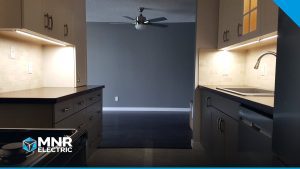
Cost tier: medium. Edmonton’s short winter days make lighting one of the first things buyers notice. A planned layout of LED pot lights on dimmers changes how a kitchen and living room photograph and feel. New lighting circuits need a permit. See home lighting installation.
4. Whole-home surge protection
Cost tier: low. A surge protective device at the panel protects furnaces, heat pumps, induction ranges, EV chargers and every control board in the house. The code governs how an SPD is installed (Rule 26-420), and installation is quick when it is done alongside a panel job. More on our alarms and surge protection page.
5. A hot tub circuit, or a rough-in for one
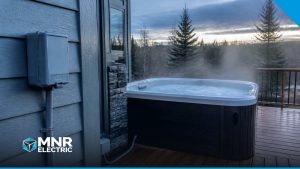
Cost tier: medium to higher. A tub needs a dedicated 240 volt circuit, GFCI protection, a correctly located disconnect and bonding, and the 2024 code updated the bonding and disconnect rules in Section 68. A buyer who wants a tub will value a permitted circuit already in place. Our post on hot tub electrical requirements in Alberta covers what the code asks for.
6. A sub-panel in the garage
Cost tier: medium to higher. A detached garage with a sub-panel can carry a unit heater, a welder or compressor receptacle, proper lighting and, often, an EV charger, without running a new cable every time you add something. Underground feeders are inspected before the trench is backfilled, so this is a plan-ahead project.
7. Smart switches and dimmers
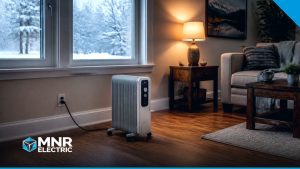
Cost tier: low. Dimmers, timers and smart switches are inexpensive, and they let a buyer picture the house working for them. Keep it to one platform, labelled, with nothing that needs a subscription. Timers for holiday lights and block heater outlets are the Edmonton favourite.
8. Exterior and landscape lighting
Cost tier: low to medium. Soffit lighting, motion-sensing fixtures at entries and a lit path to the garage improve safety on dark, icy mornings and make a home show well from the street. Exterior receptacles within 2.5 metres of grade need Class A GFCI protection with in-use covers, and new single dwellings are now required to have at least two outdoor receptacles accessible from grade.
9. Kitchen circuits that match how people cook
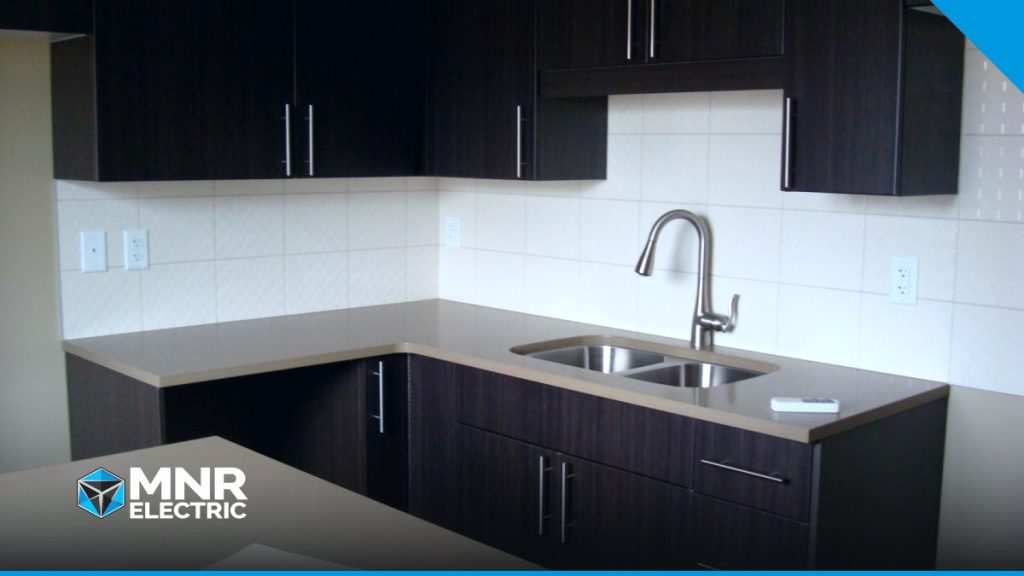
Cost tier: medium. Older kitchens often have one or two counter circuits that trip when a kettle and an air fryer run together. Adding dedicated circuits for counter appliances, the microwave and the dishwasher, with tamper-resistant receptacles and correct spacing from the sink (receptacles may not sit directly in front of or behind a sink within 1.5 metres), removes a daily annoyance and is work a buyer’s inspector will notice.
10. Panel labelling, documentation and alarm updates
Cost tier: low. The cheapest upgrade on the list and the one most often skipped. A clearly labelled panel directory, copies of permits and inspection reports in a folder, and smoke and carbon monoxide alarms that are interconnected and less than 10 years old tell a buyer the house has been looked after. Edmonton Fire Rescue recommends replacing all smoke alarms every 10 years. Labelling is a safe homeowner job; swapping hard-wired alarms is for an electrician.
When to call an electrician
Call a licensed electrician before you buy equipment for any item on this list. A load calculation tells you whether your service can take a charger or a hot tub, and it is also what EPCOR asks for before approving a service upgrade. Call right away if your panel is a Federal Pioneer Stab-Lok, if breakers trip regularly in winter, if any receptacle or switch is warm to the touch, or if you have been told your home has aluminum branch wiring or a 60 amp service. Those are safety and insurance issues first and value issues second. Start with a free estimate; for anything that smells hot or sparks, use our 24/7 emergency line.
Quick answers
Which electrical upgrade adds the most value to a home?
A 200 amp service on a modern panel. It removes insurer concerns about 60 amp services and flagged panels, and it gives capacity for an EV charger, hot tub or electric heat later.
Do I need a permit for these upgrades in Edmonton?
Yes for nearly all of them. The City of Edmonton requires an electrical permit for service upgrades, added circuits, hot tub wiring, garage wiring and EV charger installations, with an inspection before anything is covered.
Can I add an EV charger without upgrading to 200 amps?
Often, yes. Under the 2024 Canadian Electrical Code, Rule 8-106(11) allows an EV energy management system to exclude the charger from the service load calculation. A load calculation by your electrician settles it.
Is surge protection required by code in Alberta?
We have not found a rule in the 2024 Canadian Electrical Code that makes a whole-home surge protective device mandatory for existing homes. Rule 26-420 governs how one is installed. It is a low-cost add-on during a panel job.
What can I do myself to add value?
Label your panel directory, test your smoke and CO alarms monthly, replace alarms older than 10 years, and keep permits and inspection reports in one folder. Leave panel work, new circuits and outdoor wiring to a licensed electrician.