
Safe DIY electrical work in an Edmonton home comes down to things you can do without opening a box or touching a conductor: resetting a tripped breaker or GFCI, swapping a bulb for the same type, changing a cover plate, testing alarms, labelling your panel and using a plug-in tester. Everything past that line, from replacing a breaker to adding a receptacle, is work for a licensed electrician in Alberta, and most of it needs a permit from the City of Edmonton.
Why the line sits where it does
Alberta regulates electrical work under the Safety Codes Act: the Canadian Electrical Code says how work must be done, the Permit Regulation says who may do it, and the City of Edmonton issues permits and sends inspectors. The rules exist because a loose connection behind drywall can run warm for years before it fails.
The five jobs below share one feature: none puts your hands on wiring or inside an enclosure. If a job needs a screwdriver inside a box, it is on the other list.
Five fixes you can safely do yourself
1. Reset a tripped breaker or GFCI
A tripped breaker sits in the middle or slightly toward off. Push it fully to off, then back to on. For a GFCI receptacle (the one with test and reset buttons, usually in a bathroom, kitchen, garage or outside), press reset. First unplug whatever was running when it tripped. If the breaker trips again right away with nothing plugged in, or will not stay reset, stop. That is a fault, not a nuisance.
2. Replace a bulb with the same type and wattage
Turn the switch off, let the old bulb cool, and match the fixture label. Never exceed the maximum wattage printed inside the fixture (an LED equivalent draws far less, which is fine). Enclosed fixtures need bulbs rated for enclosed use, and dimmer circuits need dimmable LEDs or they will flicker.
3. Change a cover plate
Cracked or missing cover plates leave live terminals within reach of fingers and toys. Replacing a plate like for like is two screws and no contact with wiring. Turn off the breaker anyway, and if you find scorch marks, melted plastic or a device that wobbles in the box, leave the breaker off and call. Do not replace the receptacle or switch itself; that is a wiring job.
4. Test your smoke and CO alarms, and change the batteries
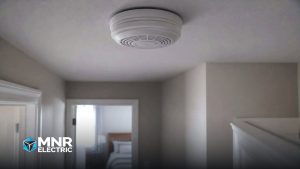
Edmonton Fire Rescue recommends testing alarms monthly, replacing batteries at least yearly, vacuuming the vents every six months and replacing every alarm after 10 years. All of that is homeowner work, as is mounting a battery-only alarm. Hardwired or interconnected alarms involve wiring and belong on the other list. The full requirements are in our post on smoke and CO alarm rules in Alberta.
5. Label your panel and map your circuits with a plug-in tester
A labelled panel is the most useful hour you can spend on your electrical system. With a helper and a lamp, flip breakers one at a time and write what goes dark on the directory card. Then use a plug-in receptacle tester (three lights, plugs in like an appliance) on every receptacle; it shows open grounds and reversed polarity without you touching anything. Note any failures for your electrician. The one thing you do not do is remove the panel cover. Everything you need is visible with it on.
Unplugging is the unofficial sixth item. Any appliance that trips breakers, smells hot, sparks or has a damaged cord gets unplugged until it is repaired or replaced.
Five jobs to leave to a licensed electrician
1. Anything inside the panel
Replacing or adding a breaker, tightening connections, swapping a panel. With the cover off, the main lugs stay live even when the main breaker is off. The City of Edmonton does not issue homeowner permits for the main service panel or service equipment at all. If your panel is full or old, see our electrical panel upgrades page.
2. New circuits, receptacles or lighting
Adding a receptacle, moving a switch, running a circuit to a basement bedroom, wiring a garage or shed. Every one is listed on the City’s permit page as work that needs a permit and inspection. Done without one, it can cost you at sale time or when an adjuster asks questions after a claim.
3. Aluminum wiring connections
Edmonton homes from the mid-1960s to the late 1970s often have aluminum branch wiring. Its connections need aluminum-rated devices and specific techniques, and the City lists repair or replacement of aluminum wiring as permit-required work. Read what insurers want for aluminum wiring before you touch anything.
4. Outdoor wiring
Exterior receptacles, landscape lighting, soffit lights, wiring to a detached garage. Outdoor work adds moisture, burial depth, GFCI and weatherproofing requirements, and underground runs need an inspection before backfill.
5. Hot tub, EV charger and other 240 volt circuits
These are high-current dedicated circuits with their own code sections, bonding rules and GFCI requirements, and both need a City permit. The dealer sells you the tub or charger; the electrician makes it safe to use. Our hot tub and EV charger wiring page explains what the job involves.
Alberta homeowner permits, explained plainly
Alberta does allow some homeowners to pull their own electrical permit, but the conditions are tighter than most people assume. The City of Edmonton’s homeowner permit page sets them out:
- You must own and live in a single-family house. Apartment-style condos, stacked units, semi-detached and row housing do not qualify. Neither does any home used as a rental, including one with a basement suite.
- Homeowner permits cover renovations only, and you must do the work personally. You cannot pull a homeowner permit and have a friend or handyman do the wiring.
- You cannot install or relocate the main service panel or service equipment, do pool grounding or connect permanent pool equipment, or install solar.
- Permits are not issued for wiring that is already concealed. If the drywall is up, it is too late, and missing inspections can mean opening finished walls.
- The City may confirm your identity and residency by video call with government photo ID.
- As shown on the City’s page, a homeowner permit for minor alterations costs $160 plus a $6.40 Safety Codes Council fee. Work must start within 90 days, and the permit expires after one year. Inspections are booked through SelfServe or 311.
The provincial guideline adds that homeowner permits require more inspections and cost more than contractor permits. The City’s page lists no exemption for swapping a switch or receptacle like for like; if you are unsure whether a small job needs a permit, ask the City before you start rather than after.
Everything else goes to a master electrician’s permit. When MNR does the work, the permit, inspection booking and paperwork are part of the job, and the inspection report is yours to keep for your insurer or a future buyer.
When to call an electrician
Call when a breaker will not reset, a receptacle or switch is warm, discoloured or buzzing, a plug-in tester shows a fault, lights dim when the furnace starts, you smell hot plastic, or you want anything added, moved or upgraded. Those are the jobs on our home electrical repairs page. Book through the service request form, or call 780.466.9106 any time if something is smoking or sparking.
Quick answers
What electrical work can a homeowner do without a permit in Alberta?
Maintenance that does not touch wiring: resetting breakers and GFCIs, changing bulbs like for like, replacing cover plates, testing alarms and changing their batteries, labelling the panel and using a plug-in tester. Adding or altering wiring needs a permit.
Can I pull my own electrical permit in Edmonton?
Only if you own and live in a single-family house, the work is a renovation, and you do it personally. Rentals, condos, semi-detached and row housing do not qualify, and homeowners cannot work on the main service panel or service equipment.
Is it safe to replace a light switch or outlet myself?
It is not on our safe list. Replacing a device means working on conductors in a box, with aluminum wiring and bonding issues common in older Edmonton homes, and the City of Edmonton lists no permit exemption for it. Have a licensed electrician do it.